Invention Agent
Translates engineering goals into performance, cost, and manufacturing constraints; generates candidates for multi-objective comparison; schedules simulations; and adjusts strategies based on validation gaps.
Translates engineering goals into performance, cost, and manufacturing constraints; generates candidates for multi-objective comparison; schedules simulations; and adjusts strategies based on validation gaps.
Builds macroscopic behavior from microscopic primitives and interaction rules across solids, fluids, particles, heat, impact, and fracture, including cases with limited measured data.
The Agent proposes and orchestrates while the physics foundation simulates and checks. Each round feeds back into concept generation and model calibration.
These are representative directions; practical applications are not limited to this list.

Motion and loads remain tightly coupled from flight attitude through recovery landing. We study thrust, gravity, attitude changes, and contact to see how initial states, controls, and structural parameters shape response.
Physical models compare trajectories and landing behavior under different conditions, identify cases for deeper analysis, and inform concept selection, parameter adjustment, and later test design.
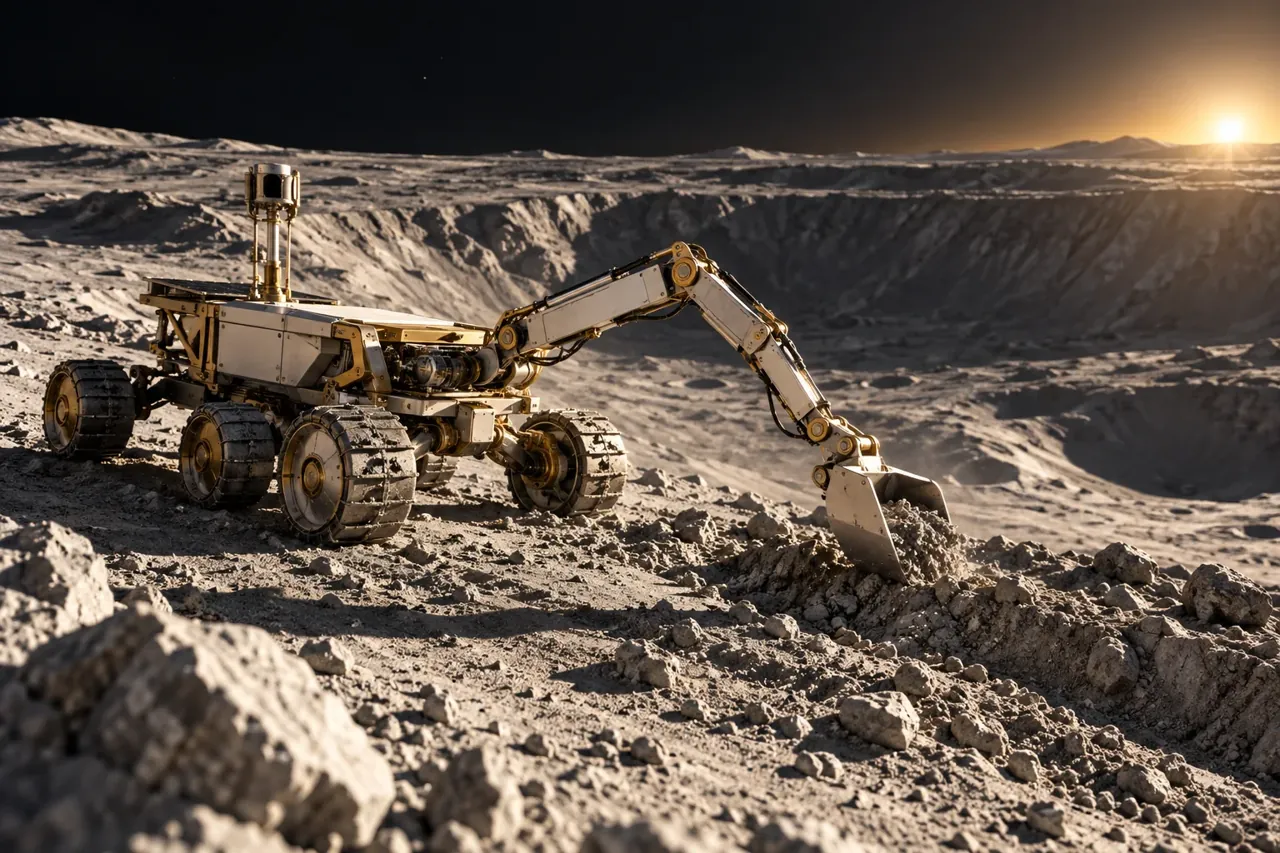
From underground works to lunar-regolith operations, material conditions, contact friction, and tool motion all change excavation. Particle behavior must be studied together with the response of the soil mass.
Soil and granular-process simulation explores tool parameters, operating paths, material conditions, disturbed zones, and material movement to support comparisons of excavation methods, sampling concepts, and test conditions.
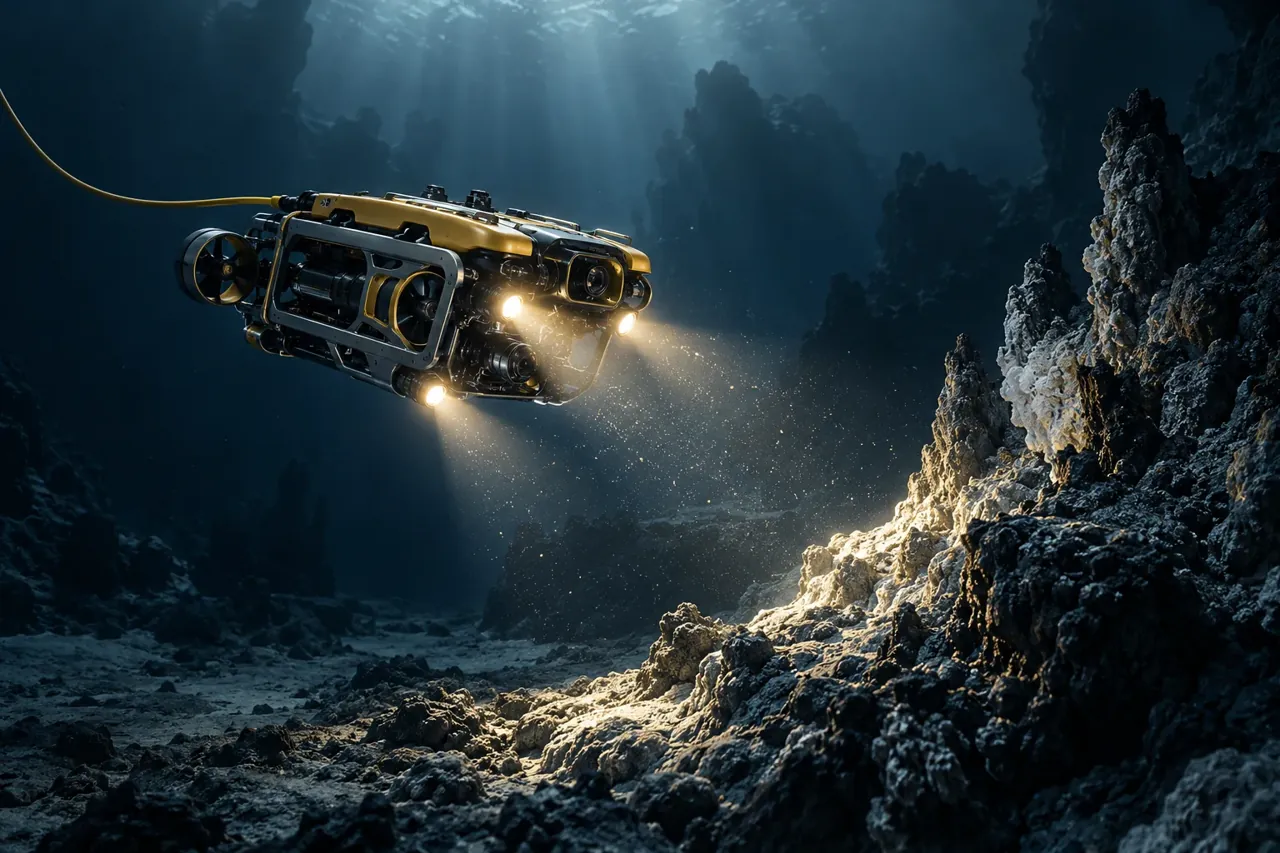
Environmental loads, connection constraints, and equipment motion influence one another underwater. Geometry alone cannot explain the loads and response of a structure in a specific operating condition.
For underwater structures, flexible cables, and equipment operations, physical models clarify the influence of environment and structural parameters and focus subsequent computation and testing.
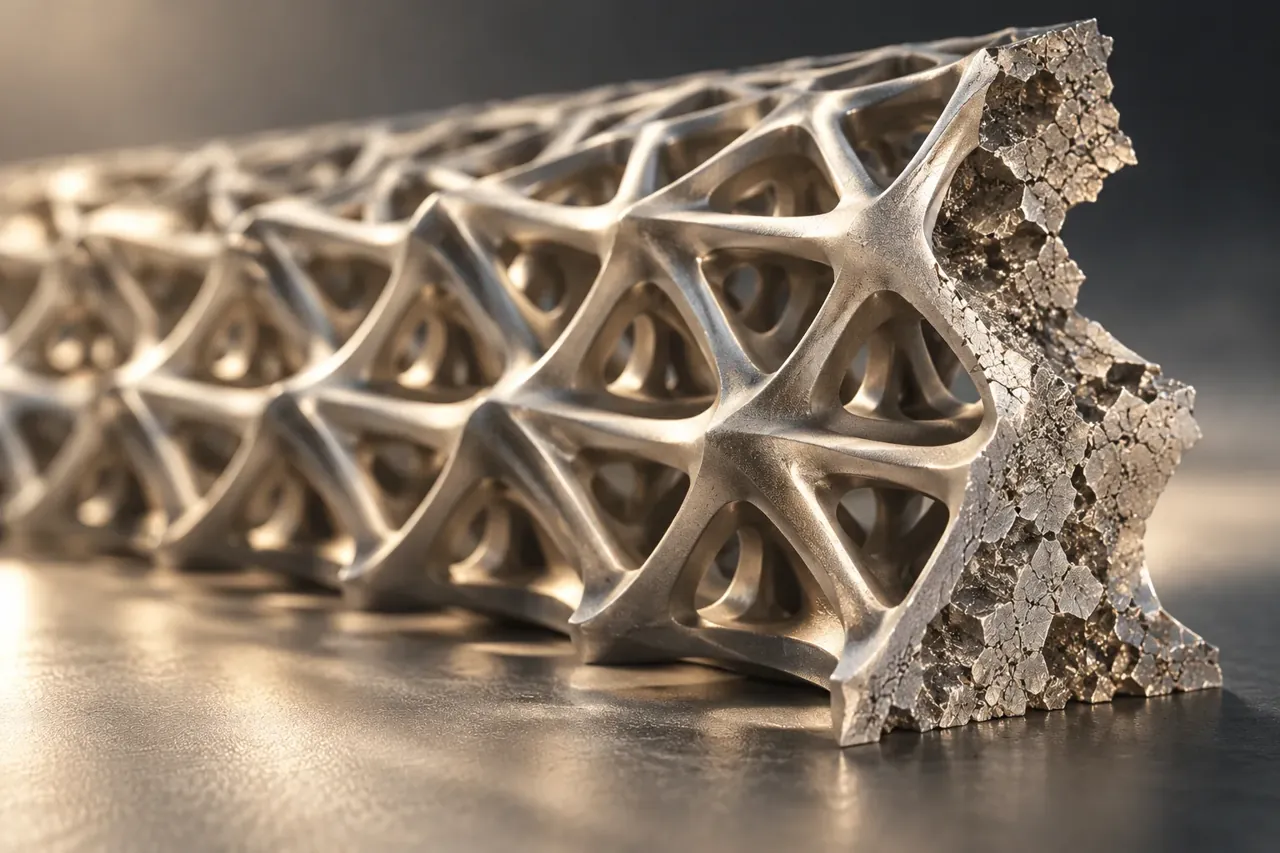
The same material can deform and perform differently in different structures. We study relationships among material properties, structural form, and loading to understand how local changes influence overall response.
Material models and structural simulation compare deformation across parameters and concepts. Test observations can support calibration and the next design iteration.

Research into complex phenomena often begins with a physical hypothesis to test. Computable states, interactions, and boundary conditions let us follow evolution and observe how factors shape results.
Combining physical methods with AI, we compare behavior across parameters and initial conditions with observations or numerical references. Explicit hypotheses, checks, and revision support understanding and experiment design.
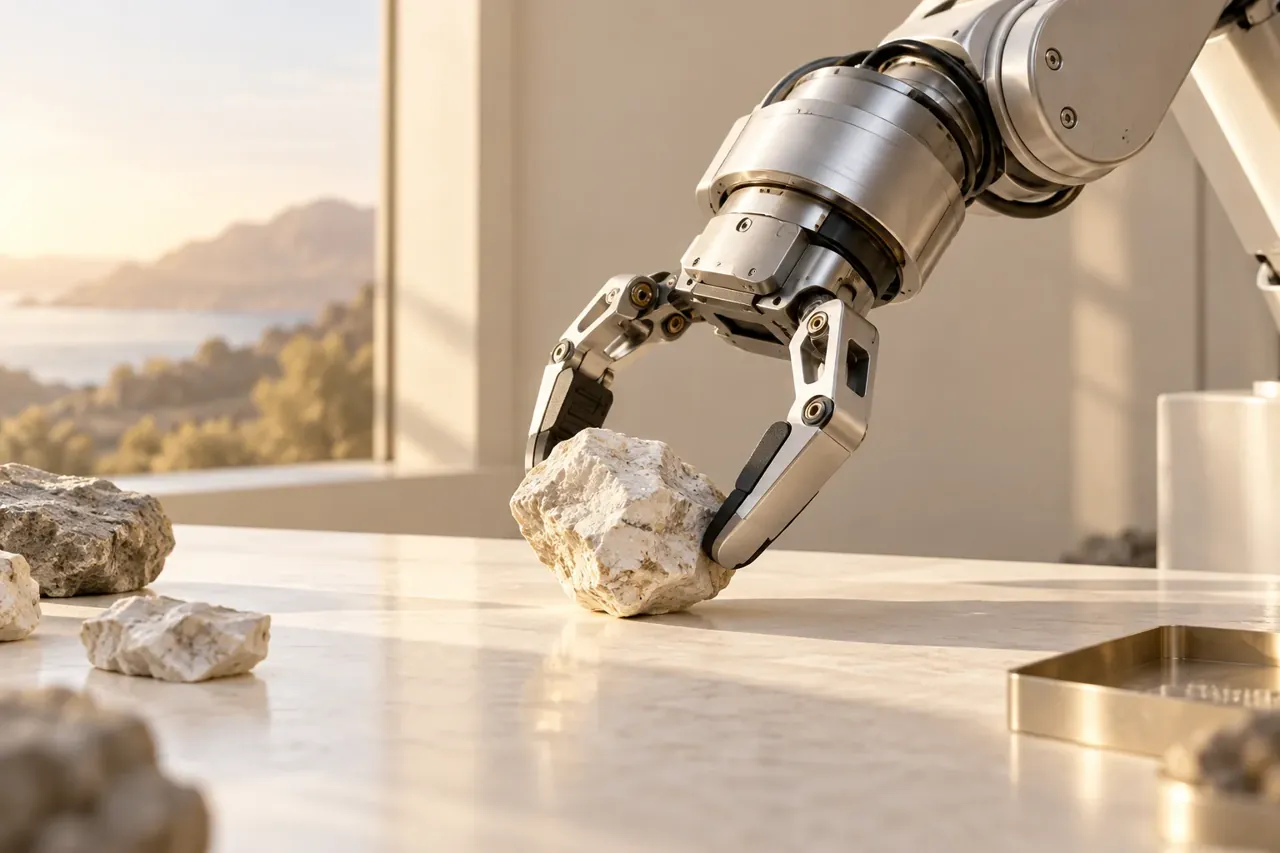
Shape, material, mass distribution, contact, friction, and environmental constraints collectively determine whether manipulation succeeds. Understanding these interactions is fundamental to analyzing a task.
Physics simulation explores motion and contact across objects and conditions. Real interaction data can calibrate models and expose differences between virtual and physical tasks.

For vehicle impact and structural safety, we study motion and deformation across speeds, contact conditions, and structural concepts, including how local response affects the whole system.
Configuring cases and comparing processes helps teams identify design differences and regions requiring further validation, informing later optimization and physical tests.